
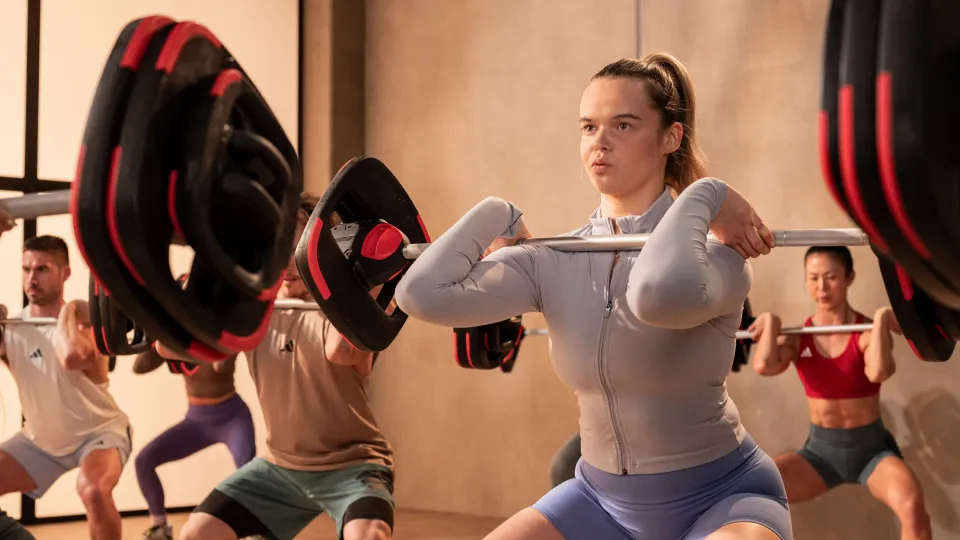

What you wear to the gym matters more than most people realise. This is not about vanity or keeping up with fitness fashion trends, though there is nothing wrong with enjoying both. The right gym wear genuinely affects performance, comfort, injury risk, and how confidently you move through a demanding workout. In a high-intensity class like GRIT, where you are performing explosive barbell movements, jumping exercises, and bodyweight intervals in a fast-paced group environment, suboptimal clothing and footwear can genuinely get in your way.
Add Singapore’s tropical climate to the equation and the conversation around gym wear becomes even more practical. Even in air-conditioned studio environments, the intensity of a GRIT session generates significant body heat and sweat. Fabrics that trap moisture, restrict movement, or cause chafing under these conditions will make an already challenging session considerably more unpleasant. If you are committing to les mills singapore at True Fitness as a regular part of your fitness routine, investing in appropriate clothing and footwear is a worthwhile decision.
Why Fabric Choice Is the Foundation of Good Gym Wear
The most important factor in any piece of gym clothing is the fabric from which it is made. In Singapore’s climate, where humidity levels regularly sit above 80 percent even indoors, moisture management is the primary consideration.
Polyester and nylon-based technical fabrics are the gold standard for HIIT gym wear. These synthetic materials are engineered to wick moisture away from the skin to the outer surface of the fabric where it can evaporate, keeping the body cooler and the skin drier than natural fibres. They dry quickly, resist odour-causing bacteria better than cotton, and maintain their shape through repeated high-intensity sessions and frequent washing.
Cotton, while comfortable in everyday wear, performs poorly during intense exercise in Singapore’s climate. It absorbs moisture and holds it against the skin, becoming progressively heavier, colder, and more restrictive as a session progresses. A cotton T-shirt that starts light and comfortable will feel like a wet compress by the end of a 30-minute GRIT session.
Blended fabrics that combine synthetic performance fibres with a small percentage of natural fibres like cotton or bamboo can offer a softer feel while maintaining most of the moisture management benefits of pure synthetic materials. These blends are a reasonable compromise for those who find pure polyester or nylon uncomfortable against the skin.
Spandex or elastane content is important for any garment that needs to move with the body during dynamic exercise. A percentage of stretch fibre, typically between 10 and 20 percent in most athletic wear, ensures that the garment accommodates the full range of motion required by GRIT’s squatting, lunging, jumping, and overhead movements without restricting movement or causing seams to pull uncomfortably.
Tops: Fit, Coverage, and Compression
For GRIT specifically, the choice of top involves balancing mobility, coverage, and temperature management. The barbell movements in GRIT, including cleans, front squats, and overhead presses, require full and unrestricted shoulder and arm mobility. A fitted or semi-fitted top that moves with the body rather than billowing around it is generally better for barbell work, where excess fabric can interfere with bar placement and movement.
Compression tops are popular among HIIT participants for their supportive fit and the psychological sensation of feeling contained during explosive movements. Research on the performance benefits of compression garments is mixed, but many athletes report improved proprioception and reduced muscle oscillation during impact movements. For GRIT’s jump-based exercises, a compression top can feel notably more comfortable than a loose-fitting shirt.
For women, a supportive sports bra with appropriate impact rating is essential. GRIT is classified as a high-impact activity due to its jumping and explosive elements. A sports bra rated for high-impact activity, with encapsulation and compression design, provides both comfort and adequate support throughout the session. Singapore’s activewear market offers excellent options across a wide price range, and the investment in a quality sports bra is one of the most worthwhile pieces of gym wear spending for female participants.
Bottoms: Between Leggings, Shorts, and Tights
The choice between leggings, shorts, and compression tights for a GRIT class is largely personal, but there are practical considerations that should guide the decision.
For the barbell work in GRIT, full-length leggings or compression tights offer the advantage of protecting the shins and lower legs when handling the bar, which can rub against the skin during movements like deadlifts or cleans if bare skin is exposed. Many experienced GRIT participants choose 7/8 or full-length tights for this reason.
Shorts are excellent for temperature management in Singapore’s climate and are perfectly suitable for all GRIT movements. If opting for shorts, ensuring they have a secure waistband and provide enough coverage during lunges and squats is important. Some participants prefer to layer a pair of cycle shorts underneath longer shorts for additional coverage and anti-chafing protection.
Compression tights with a high waistband are popular for the way they support the core and abdominal area during lifting and jumping movements. The sensation of compression around the midsection can help with body awareness and proprioception, and the high waistband stays in place without riding down during dynamic movements.
Footwear: The Most Critical Element for GRIT
If there is one aspect of gym wear where cutting corners genuinely risks injury, it is footwear. The choice of shoe for a barbell-based HIIT class is more nuanced than for pure cardio or running, and getting it wrong creates real problems.
Standard running shoes are designed with thick, cushioned soles that absorb impact during forward motion. This cushioning, while excellent for running, creates instability during weighted exercises. When you perform a squat or deadlift on a thick cushioned sole, the heel sinks into the foam and the foot position becomes unstable, reducing the ability to generate force efficiently and increasing the risk of knee and ankle misalignment.
For GRIT’s barbell movements, a shoe with a firm, flat or slightly elevated heel is ideal. Cross-training shoes, weightlifting shoes, or flat-soled shoes like Converse-style trainers provide the stable base needed for safe and effective barbell work. These shoes allow the foot to feel and respond to the floor, maintaining proper alignment through the lower body during squats, lunges, and deadlifts.
The jump and plyometric elements of GRIT do require some degree of impact absorption. Cross-training shoes are specifically designed to balance the stability needs of lifting with the cushioning needs of impact activities, making them the most versatile and appropriate footwear for a class like GRIT. Brands like Nike, Adidas, ASICS, and New Balance all produce solid cross-training models that are widely available in Singapore.
Socks, Accessories, and the Supporting Cast
Good athletic socks are underrated but genuinely matter. During GRIT’s jumping movements, blister prevention and moisture management from quality athletic socks protect the foot and maintain comfort through the session. Padded athletic socks with arch support and moisture-wicking properties are worth the modest upgrade from basic cotton socks.
A water bottle and a small towel are functional accessories that every GRIT participant should bring. In Singapore’s climate, keeping hydrated throughout the session is important, and a towel to manage sweat keeps equipment hygienic and improves grip during barbell movements when hands become sweaty.
Gym gloves are a matter of personal preference for GRIT. Some participants, particularly those new to barbell training, find that gloves reduce callus formation and improve grip comfort. Others prefer direct skin contact with the bar for better feedback and grip strength development. There is no right answer, but if you are experiencing discomfort from the bar on your palms, a pair of lightweight lifting gloves is a practical solution.
Wrist wraps or knee sleeves are accessories that provide additional joint support during heavy barbell movements. For participants managing existing wrist or knee issues, these can be meaningful additions to the gym kit. They should not be used as a substitute for addressing underlying issues, but as supplementary support during training.
Building a Practical Singapore GRIT Wardrobe
You do not need to spend a fortune to have a functional GRIT wardrobe. A rotation of three to four training outfits, each composed of a performance top, appropriate bottoms, and supportive footwear, is sufficient for someone training three to four times per week with time to launder between sessions.
In Singapore, activewear is widely accessible across a range of price points. International performance brands like Lululemon, Under Armour, Nike, and Adidas are available at major malls and online platforms. Local and regional brands offer increasingly competitive options at more accessible price points. Sporting goods stores and online marketplaces frequently run promotions that make building a quality gym wardrobe highly affordable.
The key principle is to prioritise function over aesthetics. Start with the footwear, then invest in two or three quality bottoms and tops in performance fabric. As your training becomes more consistent, you will develop a clearer sense of what works for your body and training style, allowing you to refine your kit over time.
For members who train at True Fitness Singapore regularly, the consistent environment of a well-equipped facility means the investment in proper gym wear pays dividends every session. Showing up in clothing that works with your body rather than against it is a small but meaningful way to set yourself up for a great GRIT class every time.
FAQ
Q: Are there any dress code requirements for LES MILLS GRIT classes at True Fitness?
A: Most gym environments in Singapore require appropriate athletic wear, meaning proper exercise clothing rather than casual wear like jeans. Closed-toe athletic footwear is standard for group fitness classes. It is worth checking the specific facility’s guidelines, but as a general rule, standard athletic clothing and cross-training shoes will meet any standard requirements.
Q: Can I wear my running shoes for GRIT if I do not have cross-trainers?
A: Running shoes are better than nothing, and for a first trial class they are entirely acceptable. However, if you plan to attend GRIT regularly, transitioning to a cross-training or flat-soled shoe for the barbell portions of the workout is a meaningful upgrade for both performance and safety.
Q: How do I manage sweating heavily during GRIT in Singapore?
A: Embrace it. Sweating heavily during HIIT in Singapore’s climate is completely normal. Wearing moisture-wicking fabrics, bringing a small sweat towel, and staying well-hydrated before and during class are the practical solutions. Some participants also find antiperspirant applied to the palms helpful for maintaining grip on the barbell during sweaty intervals.
Q: Are there any specific clothing items I should avoid wearing to a GRIT class?
A: Avoid baggy clothing that can snag on the barbell or interfere with movement. Avoid jeans, denim shorts, or any restrictive non-stretch fabric. Steer clear of sandals, slip-on shoes, or any footwear that does not have a secured heel, as these are unsafe for barbell work and jumping movements.
Q: Is there any benefit to wearing compression gear during GRIT if I am not particularly sore or injured?
A: Many athletes wear compression gear as a preventive measure and for the improved proprioceptive feedback it provides. Research on performance benefits is somewhat inconclusive, but the reduced muscle oscillation during high-impact movements and the snug, supportive feel during dynamic exercise are genuine subjective benefits that many GRIT participants value regardless of injury status.